
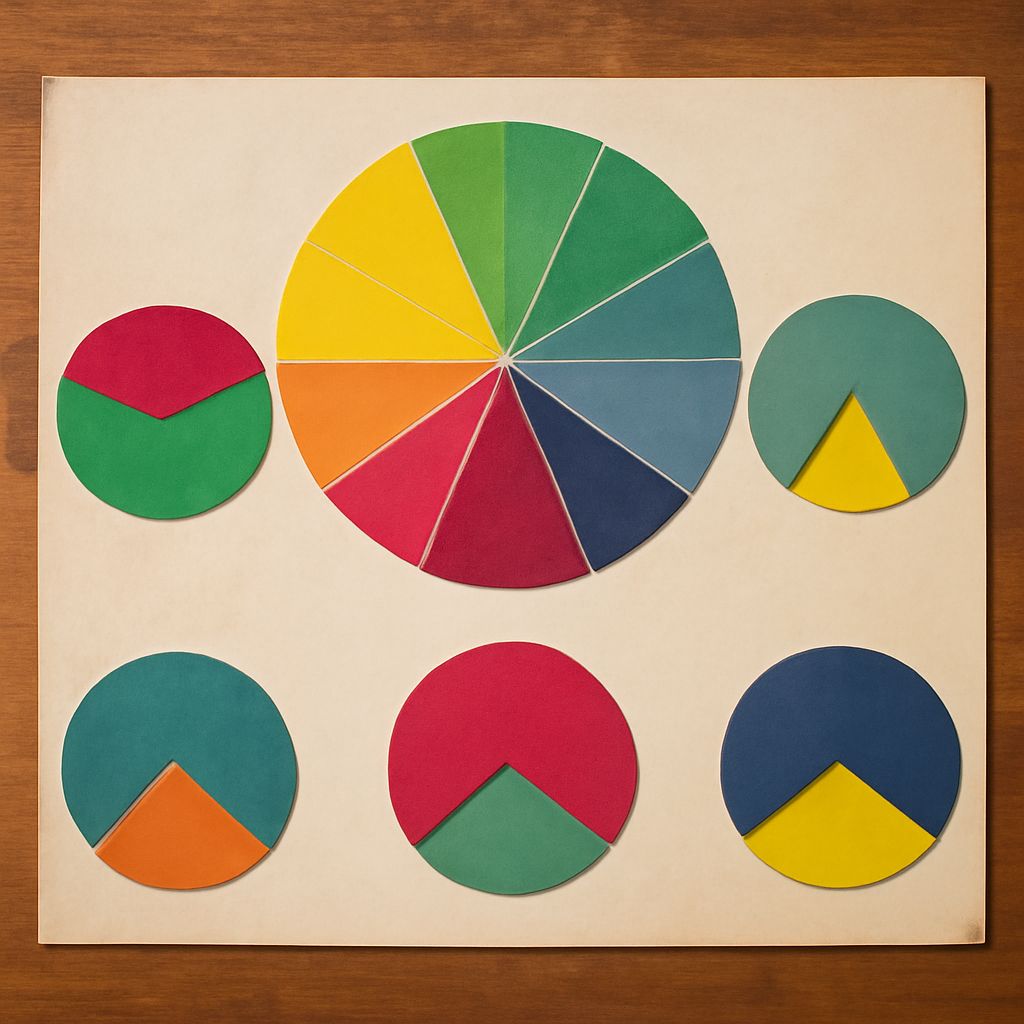
In the realm of beauty and personal care, understanding the nuances of skin tones is crucial for achieving harmonious aesthetics and effective skincare. The skin tone color wheel is an invaluable tool that helps individuals navigate the diverse spectrum of skin hues. This guide will delve into the intricacies of various skin tones, including German, Russian, Sicilian, and spring skin tones, showcasing the beauty and uniqueness inherent in each.
By mapping out these tones, individuals can better understand their own skin, leading to more informed decisions about cosmetics, clothing, and skincare routines. Whether you are curious about the German skin tone or want to explore the characteristics of a Sicilian skin tone, this guide provides insights into the diverse palette of human skin.
What is the Skin Tone Color Wheel?
The skin tone color wheel is a conceptual model that categorizes various shades of human skin into a spectrum. Unlike a traditional color wheel used in art, the skin tone wheel considers the subtle variations and undertones present in human skin. It acknowledges the influence of factors such as genetics and environmental exposure, providing a more comprehensive understanding of skin diversity.
This wheel is integral for makeup artists, dermatologists, and individuals alike, as it helps identify complementary colors for cosmetics and clothing. By understanding one’s position on the skin tone color wheel, more effective and personalized skincare routines can be established, enhancing both skin health and appearance.
How Does the German Skin Tone Fit into the Wheel?
The German skin tone is often characterized by its fair to medium complexion, with potential variations in undertones ranging from cool to warm. This range highlights the versatility found within German skin, often necessitating tailored approaches to both skincare and makeup. Individuals with German skin tones may experience a spectrum of responses to sun exposure, typically burning rather than tanning.
Positioned on the skin tone color wheel, German skin tones often fall into the lighter segment, benefiting from soft, muted colors in makeup and clothing that complement their natural hues. Understanding these nuances helps in selecting products that enhance rather than overpower the natural complexion.
What Are the Characteristics of Russian Skin Tone?
Russian skin tones often present as fair with a tendency towards pink or olive undertones. These tones can range from very light to medium, reflecting a broad spectrum of genetic backgrounds. Russian skin typically exhibits a high sensitivity to sun exposure, emphasizing the need for diligent sun protection.
In the context of the skin tone color wheel, Russian skin tones may align with cooler hues, making blues, greens, and silvers particularly complementary. Acknowledging these characteristics aids in personal styling and beauty routines, ensuring that products harmonize with the skin’s natural attributes.
Exploring the Sicilian Skin Tone
The Sicilian skin tone is a vibrant example of Mediterranean influence, often characterized by its medium to olive complexion. This tone frequently displays warm undertones, with a natural propensity to tan gracefully under the sun. The robustness of Sicilian skin tones suggests a higher resilience to environmental factors compared to their fairer counterparts.
On the skin tone color wheel, Sicilian hues often reside in the mid-range, pairing well with rich, warm colors such as gold, bronze, and deep reds. Recognizing the unique features of Sicilian skin tones facilitates informed choices in cosmetics and fashion, celebrating the distinctive warmth and depth these tones offer.
Understanding Spring Skin Tone and Its Unique Features
Spring skin tones are typically light to medium with warm undertones, often possessing a fresh, vibrant quality reminiscent of the season. These tones may feature peachy or golden undertones, lending a naturally glowing appearance. Individuals with spring skin tones tend to tan more easily, benefiting from sun exposure in moderation.
On the skin tone color wheel, spring tones align with lighter, warmer shades, beautifully complemented by soft pastels and earthy hues. Awareness of these characteristics supports the selection of suitable makeup and fashion choices, enhancing the natural luminosity that defines spring skin tones.
How to Determine Your Place on the Skin Tone Color Wheel
Identifying your position on the skin tone color wheel involves examining both the surface color and the underlying undertones of your skin. Begin by observing your skin in natural light, noting whether your complexion appears cool, warm, or neutral. Additionally, consider how your skin reacts to sun exposure—whether it burns, tans, or exhibits another response.
Testing with colors is another effective method. Try placing different colored fabrics near your face, observing which hues enhance your natural complexion. This can reveal whether your skin tone is best complemented by cool or warm colors, aiding in pinpointing your location on the wheel.
Professional consultations with dermatologists or makeup artists can also provide valuable insights into your skin tone and its most flattering complements. By understanding your placement on the skin tone color wheel, you can make more informed decisions that reflect and enhance your natural beauty.
Safety Recap: When exploring your skin tone and its place on the color wheel, ensure you are gentle with your skin, especially if testing color reactions. Always prioritize skincare products that suit your skin’s sensitivity, and consult a professional if you experience any adverse reactions.





Leave a Reply