
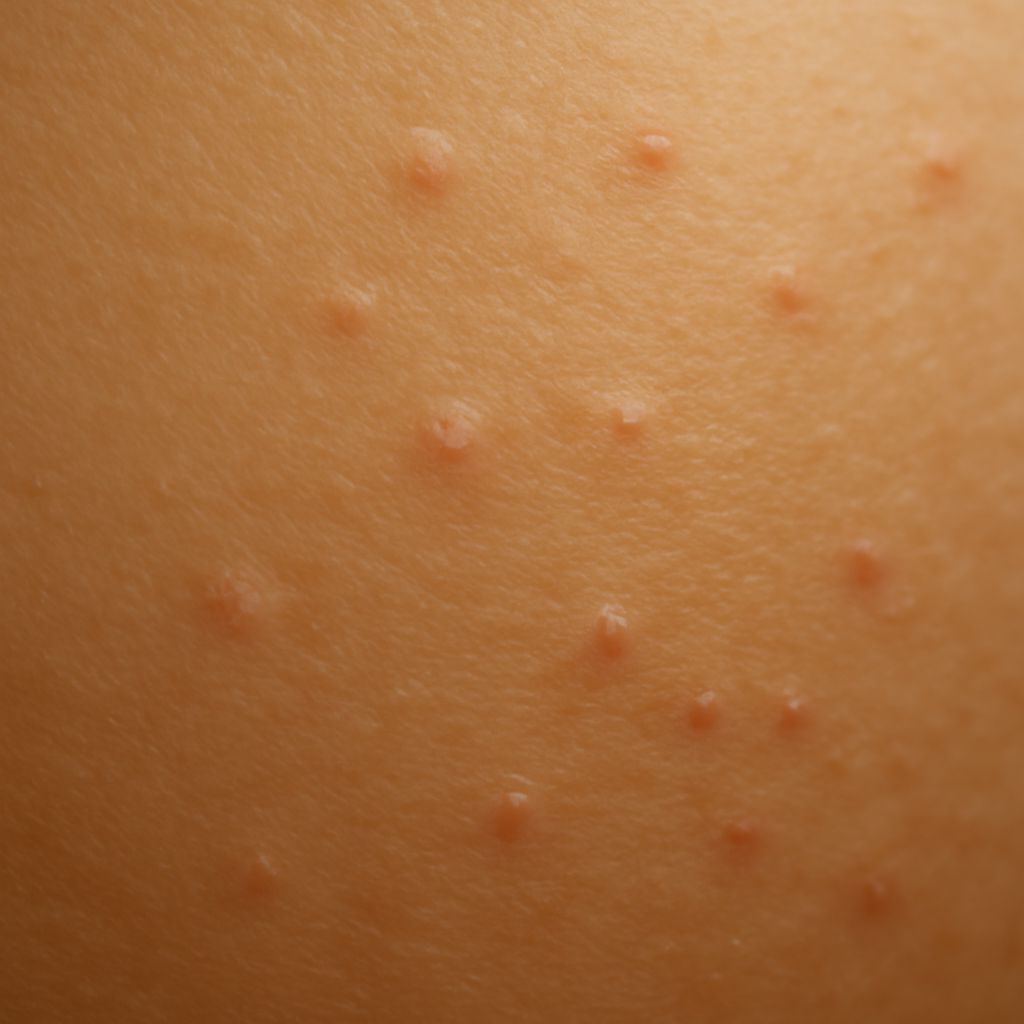
Many individuals experience the discomfort and annoyance of bumpy skin on their arms, often referred to as “chicken skin.” This condition, medically known as keratosis pilaris (KP), is characterized by small red bumps on the skin that can cause irritation and affect confidence. Fortunately, understanding the causes and implementing effective solutions can significantly improve the appearance and feel of your skin.
In this article, we’ll explore the underlying factors contributing to chicken skin on arms, identify the symptoms of KP skin, discuss effective treatments for bumpy skin, suggest lifestyle changes to prevent small red bumps on the skin, and guide you on when it’s time to seek professional help from a dermatologist. By following these insights, you can attain smoother and healthier skin.
What is Chicken Skin on Arms and Why Does it Occur?
Chicken skin, or keratosis pilaris, is a common skin condition that arises when keratin, a protein that protects the skin from harmful substances and infections, forms hard plugs within hair follicles. These plugs result in the development of small, rough bumps typically found on the upper arms, thighs, cheeks, and buttocks. The exact cause of KP is not entirely understood, but it is often linked to genetic factors and tends to run in families.
Environmental factors such as dry skin conditions and seasonal changes can exacerbate the appearance of these bumps. While not harmful or contagious, chicken skin can lead to self-consciousness and discomfort, prompting many to seek remedies to alleviate the condition.
Identifying KP Skin: Symptoms and Diagnosis
The primary symptom of keratosis pilaris is the presence of small, painless bumps that manifest on the skin’s surface, resembling goosebumps or chicken skin. These bumps are usually flesh-colored or red and may feel rough or sandpaper-like to the touch. In some cases, they can cause itching or inflammation.
Diagnosing KP skin typically involves a visual examination by a healthcare provider or dermatologist. Since the condition is benign and non-threatening, further testing is generally unnecessary. However, a professional diagnosis can rule out other skin conditions that may mimic similar symptoms.
How Can You Treat Bumpy Skin Effectively?
While there is no cure for keratosis pilaris, several treatments can help manage and improve the appearance of bumpy skin. Moisturizing regularly with lotions containing urea, lactic acid, or alpha hydroxy acids can soften and smooth the skin. Additionally, exfoliating with gentle scrubs or chemical exfoliants can aid in removing dead skin cells and unclogging hair follicles.
Topical retinoids, often prescribed by a dermatologist, can help regulate skin cell turnover and reduce the plugging of hair follicles. For those seeking alternative methods, laser therapy may be an option to reduce redness and smooth out the skin’s texture. It’s essential to follow these treatments consistently to achieve the best results.
Lifestyle Changes to Prevent Small Red Bumps on Skin
Incorporating specific lifestyle changes can significantly reduce the occurrence of small red bumps on your skin. Maintaining a consistent skincare routine that focuses on hydration and gentle exfoliation is key. Using a humidifier in dry environments can also help keep the skin moisturized and prevent flare-ups.
Be mindful of the fabrics you wear; soft, breathable materials can reduce irritation, while rough fabrics may aggravate the condition. Additionally, be cautious with hot showers and harsh soaps, as they can strip your skin of natural oils and exacerbate dryness.
When to Consult a Dermatologist for Your Skin Concerns
While self-care measures can be effective, consulting a dermatologist is advisable if the condition persists or worsens despite treatment. A professional can offer personalized recommendations and prescribe stronger topical medications if necessary.
If you experience severe redness, swelling, or pain, or if the bumps spread to new areas, seeking medical advice is crucial. A dermatologist can rule out other potential skin conditions and provide reassurance and guidance tailored to your specific skin needs.
Safety Recap: When using treatments for keratosis pilaris, exercise caution with sharp exfoliating tools and potent topical formulations to avoid skin sensitivity or irritation. Always patch-test new products and follow a dermatologist’s guidance for optimal skin health.





Leave a Reply