
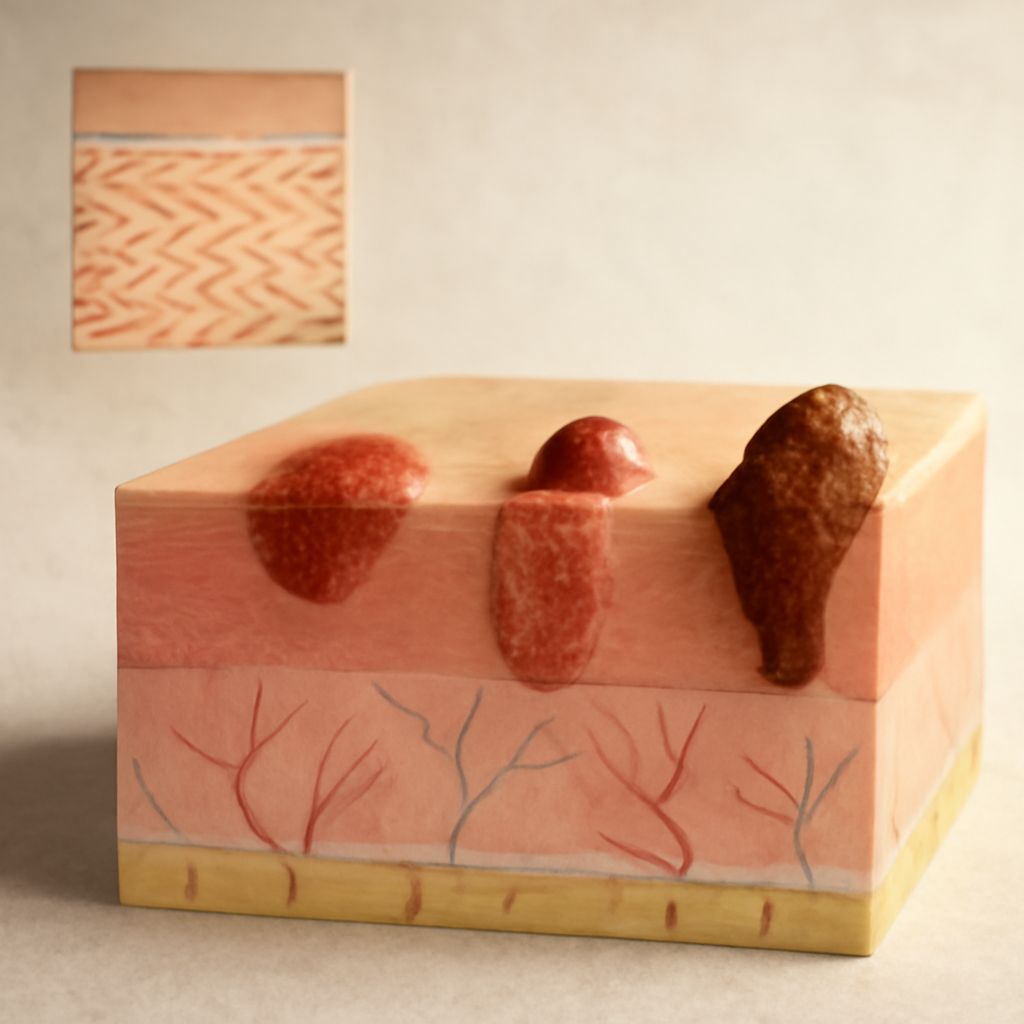
Skin cancer is a growing concern worldwide, posing significant health challenges due to its varied forms and impacts. Understanding the different types of skin cancer is crucial for early detection and successful treatment. This article explores the main types of skin cancer, their unique characteristics, and how they may affect your health. By recognizing the symptoms and understanding the risk factors, you can take proactive steps to safeguard your skin and overall well-being.
What Are the Main Skin Cancer Types?
Skin cancer primarily falls into three main categories: basal cell carcinoma, squamous cell carcinoma, and melanoma. Each type affects the skin differently and varies in severity and treatment approaches. Basal cell carcinomas are the most common; these often appear as small, shiny bumps on sun-exposed areas. Squamous cell carcinomas can manifest as scaly red patches or sores, and they have a higher potential to spread. Melanoma, although less common, is considered the most dangerous due to its ability to rapidly metastasize if not treated early.
How Do Basal Cell Carcinomas Develop?
Basal cell carcinomas typically develop as a result of prolonged exposure to ultraviolet (UV) radiation from the sun or tanning beds. These carcinomas originate in the basal cells, which are found at the bottom of the epidermis. Individuals with fair skin, light hair, and a history of sunburns are particularly susceptible. Early signs might include a pearly white or flesh-colored bump that may bleed or form a crust. While basal cell carcinomas rarely spread beyond the skin, prompt treatment is essential to prevent disfigurement.
Why Are Squamous Cell Carcinomas Concerning?
Squamous cell carcinomas are concerning due to their invasive nature. Originating in the squamous cells of the skin’s outer layer, these carcinomas can grow deeper and spread to other parts of the body if left untreated. They often appear as rough, scaly patches, open sores, or wart-like growths. The risk increases with cumulative sun exposure and a history of tanning bed use. Regular skin checks are vital for early identification, as early-stage squamous cell carcinomas are treatable, but advanced cases may require more extensive intervention.
What Makes Melanoma the Most Dangerous?
Melanoma is the most dangerous type of skin cancer due to its aggressive nature and ability to spread quickly. It originates in the melanocytes, the cells responsible for producing melanin, the skin’s pigment. Melanomas often resemble moles and can vary in color and size. Warning signs include asymmetry, irregular borders, multiple colors, and changes in size or shape. Early detection is critical, as melanoma can rapidly metastasize to other organs. Regular self-examinations and dermatologist visits are crucial preventive measures.
How Can You Identify Less Common Skin Cancers?
While basal cell carcinoma, squamous cell carcinoma, and melanoma are the most prevalent types, there are other less common skin cancers to be aware of. These include Merkel cell carcinoma, which is an aggressive form linked to viral infections, and dermatofibrosarcoma protuberans, which usually presents as a firm, raised nodule. Identifying these rare cancers requires attention to atypical skin changes and consultation with healthcare professionals for accurate diagnosis and treatment.
What Are the Risk Factors for Developing Different Kinds of Skin Cancer?
Various risk factors contribute to the development of skin cancer, regardless of type. Prolonged exposure to UV rays is a significant risk, which can be exacerbated by tanning beds. Genetics play a role, with family history increasing susceptibility. Fair skin, a history of sunburns, and a high number of moles are additional factors. Immunosuppression, whether from medications or medical conditions, also heightens risk. Understanding these factors can guide preventive measures and help in early identification of potential skin issues.
How Can You Protect Yourself from Skin Cancer?
Protecting yourself from skin cancer involves adopting sun-safe habits. Regular use of broad-spectrum sunscreen with an SPF of at least 30 reduces UV exposure risk. Wearing protective clothing, such as wide-brimmed hats and sunglasses, further shields the skin. Avoiding tanning beds and being mindful of peak sun hours can prevent harmful exposure. Self-examinations and professional skin checks are crucial for identifying potential skin cancer early, ensuring timely treatment and better outcomes.
Key takeaways: Understanding the different types of skin cancer is vital for early detection and effective treatment. Recognize symptoms, assess risk factors, and adopt sun-safe practices to protect your skin. Regular check-ups with a dermatologist can significantly improve early diagnosis and treatment success.



Leave a Reply