
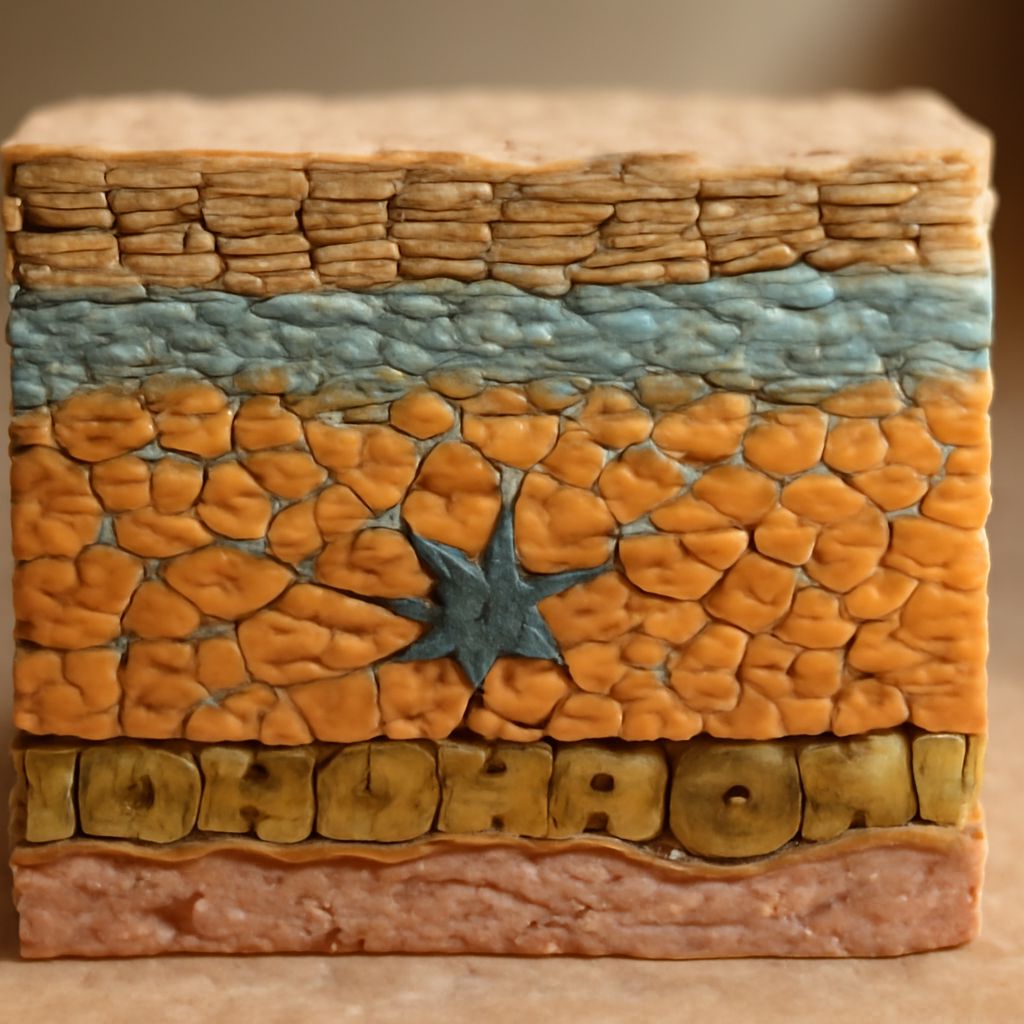
The human skin is a remarkable organ, serving as the body’s first line of defense against environmental threats. Understanding the layers of skin in order is crucial for comprehending how our skin functions and protects us. From the surface level to deeper tissues, each layer plays a pivotal role in maintaining health and beauty. This article explores the various stratum layers of skin, their functions, and their importance to overall skin health.
What Are the Layers of the Skin?
Skin is composed of three primary layers: the epidermis, the dermis, and the hypodermis. Each layer serves distinct functions that contribute to the skin’s overall role as a protective barrier.
The epidermis is the outermost layer, providing a waterproof shield and creating our skin tone. Beneath it lies the dermis, which contains tough connective tissue, hair follicles, and sweat glands. The deepest layer, the hypodermis, is composed mainly of fat and connective tissue, offering insulation and cushioning.
How Does the Epidermis Function?
The epidermis is the skin’s outermost layer, acting as a crucial barrier against pathogens, UV radiation, and water loss. It is made up of several sub-layers, each contributing to its protective function.
What is the Stratum Corneum?
At the very surface of the epidermis lies the stratum corneum. This layer consists of dead, flattened keratinocytes that provide a tough, protective outer shell. The stratum corneum is essential for retaining moisture and offering a barrier against external harm.
Understanding the Stratum Lucidum
The stratum lucidum is a thin, clear layer found only in the thick skin of the palms and soles. It helps reduce friction and sheer forces between the stratum corneum and the lower layers of the epidermis.
What Role Does the Dermis Play?
Situated beneath the epidermis, the dermis provides structural support and elasticity. It houses collagen and elastin fibers, which give the skin its strength and flexibility. The dermis is also home to blood vessels, nerve endings, and sebaceous (oil) glands, contributing to thermoregulation and sensation.
Additionally, the dermis nourishes the epidermis and plays a role in healing processes, demonstrating its importance in maintaining skin health and resilience.
How Does the Hypodermis Support the Skin?
The hypodermis, also known as the subcutaneous layer, serves as a vital support system for the skin, providing insulation and energy storage. This layer is rich in fat cells, which help absorb shock and protect underlying muscles and bones from injury.
By serving as a connective interface between the outer layers of skin and deeper tissues, the hypodermis plays a crucial role in the body’s overall structural integrity.
Why Are Stratum Layers of Skin Important?
Each stratum layer of skin has a specialized function that contributes to the overall health and protection of the body. These layers work in concert to prevent water loss, protect against UV radiation, and act as a barrier to pathogens.
Understanding these layers underscores the importance of skincare routines that support and nourish the skin, promoting its natural ability to protect and heal itself.
How Do Skin Layers Affect Health and Beauty?
The health of the skin layers directly affects our overall appearance and wellness. A healthy epidermis provides a smooth, radiant complexion, while a robust dermis supports skin elasticity and firmness. Proper care of the hypodermis ensures adequate protection and insulation.
Incorporating a skincare regimen that includes hydration, protection from sun exposure, and nourishment can enhance the skin’s natural beauty and functionality. Regular cleansing, moisturizing, and applying sunscreen are key actions that help maintain the skin’s integrity.
Safety recap: When caring for your skin, be cautious with tools like exfoliators or razors to avoid damage. Always test new skincare products on a small area first to ensure compatibility with your skin’s sensitivity.




Leave a Reply