

Experiencing a burning feeling on your skin can be both alarming and uncomfortable. This sensation might arise from various causes, ranging from mild irritations to more serious conditions. Understanding the causes and knowing when to seek medical help are crucial steps in managing this issue. By identifying common symptoms and employing appropriate home remedies or treatments, you can often find relief and prevent future occurrences.
What Causes the Burning Feeling on Skin?
The burning sensation on the skin can result from numerous factors. Contact dermatitis is a prevalent cause, occurring when the skin reacts to allergens or irritants. Additionally, sunburns or thermal burns are common culprits, often resulting from exposure to excessive heat or sunlight.
Other potential causes include nerve damage, which might occur due to conditions such as diabetes or shingles. Infections, like cellulitis or fungal infections, can also lead to a burning feeling. Finally, certain autoimmune disorders, such as lupus or fibromyalgia, may present with skin discomfort.
Common Symptoms Accompanying Burning Skin
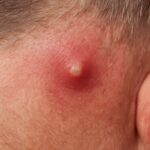
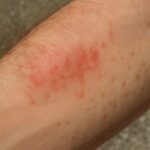
When the skin burns, it may be accompanied by additional symptoms. Redness and swelling are typical, particularly if the cause is an allergic reaction or sunburn. Itching and blisters might also develop, especially in cases of contact dermatitis or heat exposure. In some instances, you may notice peeling or flaking skin, indicating a healing process or persistent irritation.
Numbness or tingling often accompanies nerve-related burning sensations, while fever or chills might signal an underlying infection. Recognizing these symptoms can help determine the underlying cause and appropriate treatment.
When to Seek Medical Attention for Burning Skin
While many instances of burning skin can be managed at home, there are times when medical attention is necessary. If the burning sensation is severe, persistent, or unexplained, consulting a healthcare professional is advised. Additionally, if you experience symptoms such as rapid spreading of redness, fever, or signs of an allergic reaction, seeking immediate medical help is crucial. These symptoms could indicate a more serious condition requiring prompt treatment.
Home Remedies and Treatments for Burning Skin
For mild cases, several home remedies can provide relief. Applying cool compresses can soothe the skin and reduce inflammation. Aloe vera gel is another option, known for its anti-inflammatory and moisturizing properties, making it ideal for sunburn relief.
Over-the-counter antihistamines or hydrocortisone creams may alleviate itching and irritation caused by allergic reactions. For nerve-related burning, medications like gabapentin might be recommended by a physician. Ensuring proper skin hydration and using gentle skincare products can also contribute to relief.
Be mindful of skin sensitivity when using any treatment and discontinue use if irritation worsens. If in doubt, consult with a healthcare provider before trying new remedies.
Preventing the Burning Feeling on Skin
Prevention is often the best approach to managing skin issues. To avoid contact dermatitis, identify and steer clear of known allergens and irritants, such as harsh soaps or certain plants. Applying sunscreen can protect against sunburn, while wearing protective clothing helps minimize exposure to environmental factors.
Maintaining a balanced diet and managing stress are essential in preventing conditions like fibromyalgia that might cause burning sensations. Regularly moisturizing and using gentle skincare products can also preserve the skin’s barrier, reducing the likelihood of irritation.
By taking these proactive steps, you can help minimize the risk of experiencing the discomfort of burning skin.
Pro Tips Recap: Identify triggers to prevent contact dermatitis, use cool compresses for immediate relief, and consult a doctor for persistent or severe symptoms. Prioritize skin hydration and protection to maintain healthy skin.



Leave a Reply