
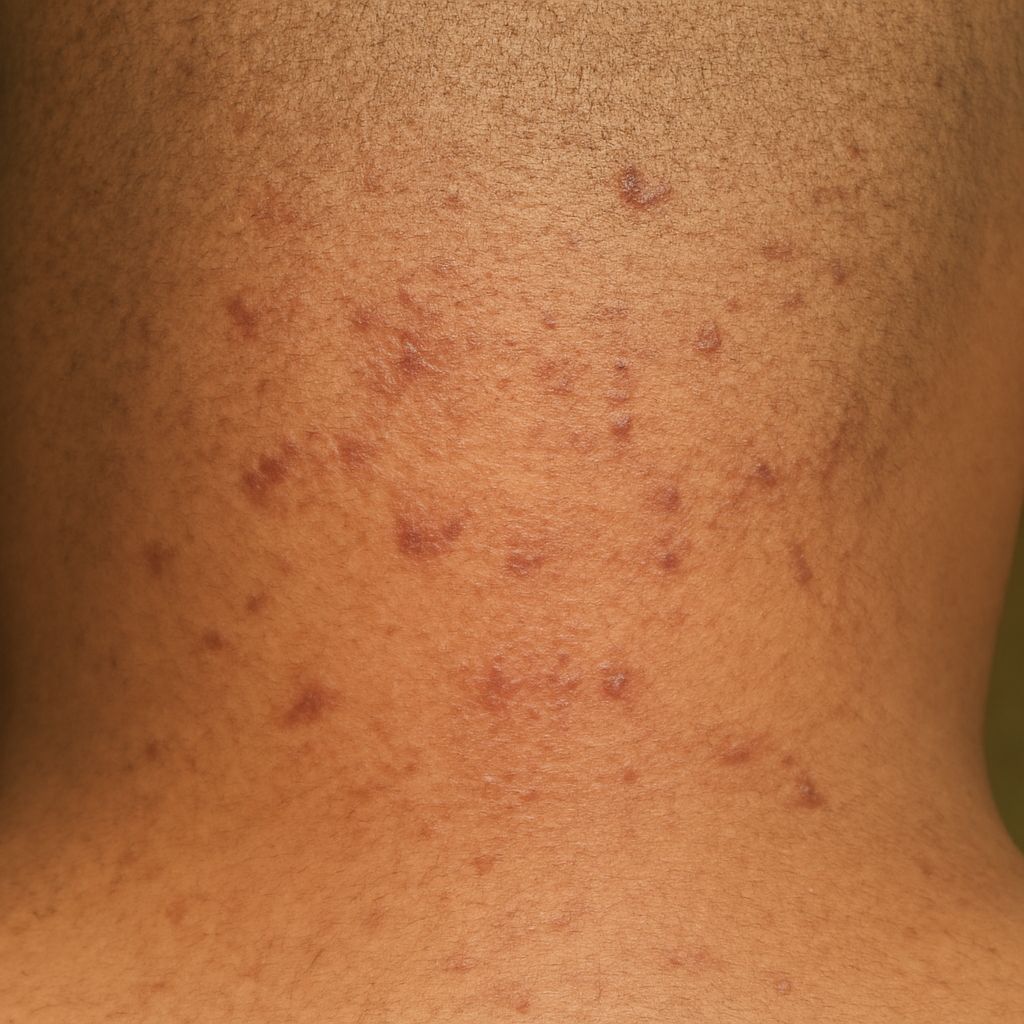
Ingrown hairs are a common skin concern that can cause discomfort and irritation for many. The issue arises when hair becomes trapped under the skin, often leading to redness, swelling, and even infection. Fortunately, there are effective solutions for preventing and managing ingrown hairs. By understanding how these occur and how to treat them, you can maintain smooth, healthy skin.
What Causes Ingrown Hair Under Skin?
Ingrown hairs occur when shaved or tweezed hairs grow back into the skin rather than rising up from it. Several factors contribute to this, including improper shaving techniques, wearing tight clothing, and having naturally curly hair that is more prone to curling back into the skin. Dead skin can also clog hair follicles, forcing the hair to grow sideways under the skin.
Understanding the root causes of ingrown hairs can help in addressing them effectively. By adjusting grooming habits and making simple lifestyle changes, you can significantly reduce the occurrence of hairs becoming trapped beneath the skin.
How to Identify Hair Trapped Under Skin?
Identifying ingrown hairs early is crucial for effective treatment. These often manifest as small, round bumps on the skin, which can be red or darker than the surrounding area. Sometimes, you may notice a visible hair trapped under the bump. Ingrown hairs are frequently mistaken for acne, but they tend to occur in areas commonly shaved or waxed, such as the face, legs, and bikini line.
Spotting these signs early allows for prompt management, preventing further irritation or complications.
What Are the Common Symptoms of Ingrown Hair?
The symptoms of an ingrown hair can vary but often include itching, discomfort, and the presence of pus-filled bumps. The affected area may feel tender, and in some cases, there might be inflammation or an infection, leading to pain.
If not treated properly, these symptoms can worsen, potentially leaving scars or causing more severe skin infections. Recognizing these symptoms allows for timely intervention, minimizing the risk of complications.
How to Treat Ingrown Hair Under Skin at Home?
Treating ingrown hairs at home is possible with a few simple steps. Start by gently exfoliating the area with a scrub or a washcloth to remove dead skin cells. This can help free the trapped hair. Applying a warm compress can soften the affected area, making it easier for the hair to emerge.
If the hair is visible, using sterilized tweezers can gently lift it out. However, it’s important to avoid picking at the skin, as this can lead to infection. Over-the-counter treatments containing salicylic acid or glycolic acid can also help by reducing inflammation and exfoliating the skin.
Always exercise caution and stop if the area becomes more irritated. Persistent issues or signs of infection warrant professional medical advice.
When to See a Doctor for Ingrown Hair Issues?
While most ingrown hairs can be managed at home, there are situations where medical attention is necessary. If an ingrown hair becomes severely infected, swollen, or extremely painful, or if home treatments do not improve the situation, consult a healthcare provider. A dermatologist can provide additional treatments, such as prescription creams or even minor surgery to remove the hair.
Seeking professional help ensures that complications are avoided and the underlying issue is addressed effectively.
How to Prevent Ingrown Hair from Occurring?
Prevention is key when it comes to ingrown hairs. Employing proper shaving techniques can drastically reduce their occurrence. Always use a sharp, clean razor, shave in the direction of hair growth, and avoid pulling the skin taut. Moisturizing the skin after shaving can also help reduce irritation.
Regular exfoliation is another effective prevention strategy. By removing dead skin cells, you reduce the likelihood of follicles becoming clogged. Wearing loose-fitting clothing allows the skin to breathe and lessens the risk of hair becoming trapped.
By incorporating these practices into your routine, you can prevent ingrown hairs and maintain smooth, irritation-free skin.
Next Steps
Effective management and prevention of ingrown hairs require a combination of good skincare practices and lifestyle adjustments. By following these guidelines, you can minimize the occurrence of ingrown hairs and treat them effectively should they arise. If persistent issues continue, don’t hesitate to seek professional medical advice to ensure your skin remains healthy and clear.


Leave a Reply