
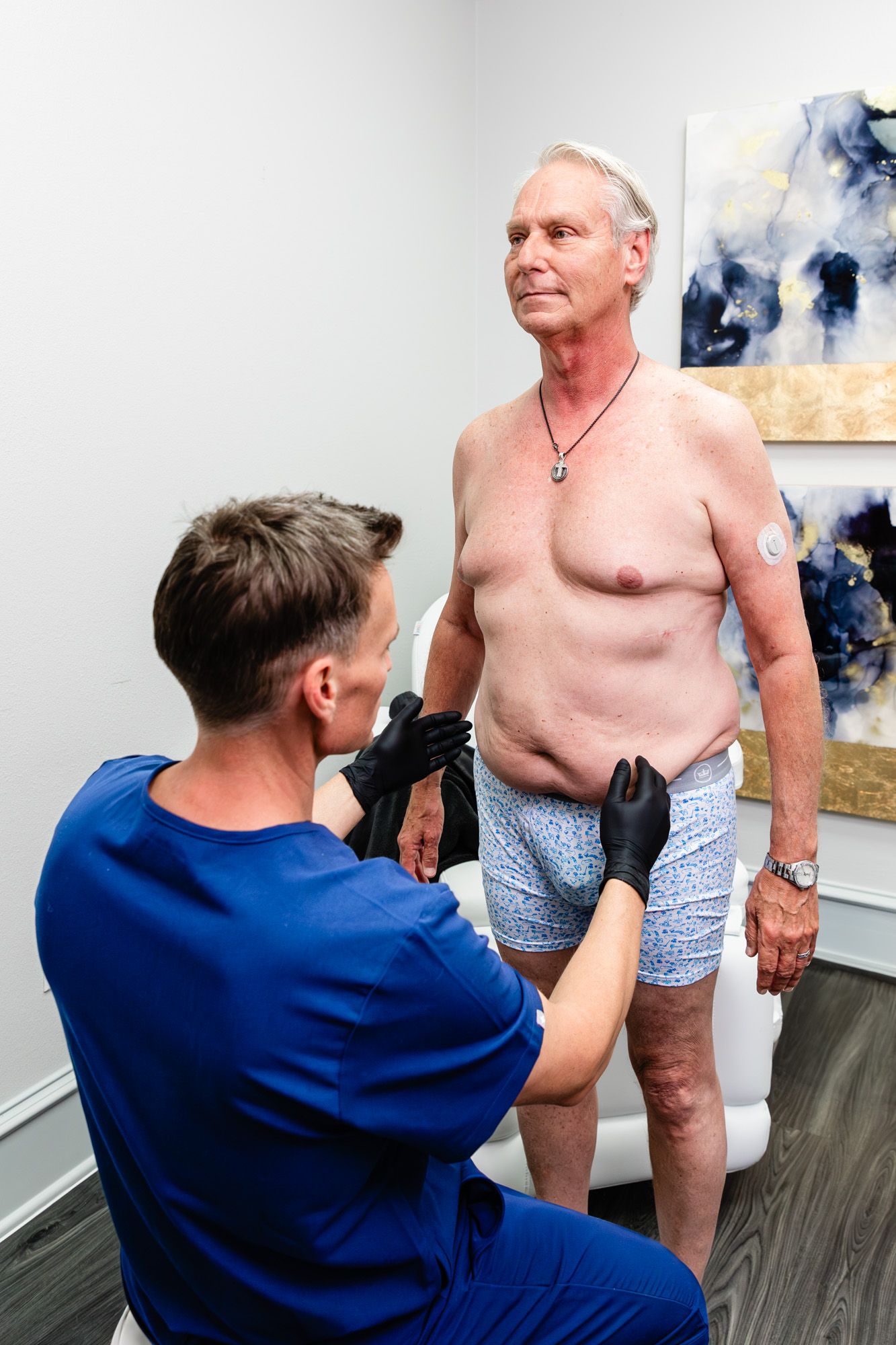
Loose skin surgery, often necessary after significant weight loss, can be both a blessing and a financial consideration. The question “How much does loose skin surgery cost?” commonly arises for those seeking to improve their body contours and overall well-being. Understanding the cost of skin removal surgery, including the expenses involved in skin reduction surgery, is crucial for anyone considering this transformative procedure.
Whether you’re exploring options for dealing with loose skin after weight loss or seeking comprehensive surgery solutions, this guide will provide you with the details you need to make informed decisions. From the factors influencing the cost to potential insurance coverage and financing options, discovering the financial aspects of skin surgeries will help you plan effectively for this life-enhancing process.
What is Loose Skin Surgery?
Definition and Purpose
Loose skin surgery, or body contouring, involves the removal of excess skin and fat that often remains after significant weight loss. The primary purpose of these procedures is to improve the body’s shape and tone, resulting in a more aesthetically pleasing appearance and alleviating discomfort caused by excess skin.
Common Types of Procedures
Common procedures in loose skin surgery include tummy tucks, arm lifts, thigh lifts, and lower body lifts. Each is designed to target specific areas of the body, helping individuals achieve a natural and proportional look. Surgeons tailor these procedures to fit the unique needs of each patient.
How Much Does Loose Skin Surgery Cost?
Factors Influencing the Cost
The cost of loose skin surgery varies widely based on several factors. The complexity of the procedure, the surgeon’s expertise, and the type of anesthesia used all play significant roles in determining the final price. Additionally, the geographical location of the surgery can impact costs due to varying market rates.
Average Cost Range
On average, the cost of skin removal surgery can range from $5,000 to $30,000, depending on the extent of the surgery. More comprehensive procedures, such as a full body lift, tend to be on the higher end of the spectrum, while localized treatments like arm lifts might be less expensive.
What Affects the Cost of Skin Removal Surgery?
Surgeon’s Expertise
The skill and reputation of the surgeon significantly affect the cost. Renowned surgeons with extensive experience typically charge more, yet their expertise often results in better outcomes and reduced risk of complications.
Geographical Location
Where you choose to have your surgery also impacts the cost. Urban areas or regions with a higher cost of living generally have higher surgical fees compared to rural locations. It’s essential to weigh the benefits of proximity to a skilled surgeon against potential travel expenses.
Hospital or Clinic Fees
The facility where the surgery is performed also contributes to the overall cost. Renowned hospitals and clinics may charge premium prices for their services, but they often provide state-of-the-art technology and highly trained staff, which can enhance the safety and success of the surgery.
Is the Cost of Skin Reduction Surgery Covered by Insurance?
Insurance Eligibility Criteria
Insurance coverage for skin reduction surgery varies. Typically, insurance companies consider covering the procedure if it’s deemed medically necessary. This could be the case if the excess skin causes health issues like infections or mobility problems. It’s essential to check with your provider to understand the criteria.
Out-of-Pocket Expenses
Even with insurance, patients might face out-of-pocket expenses. Deductibles, co-pays, and non-covered services can add to the financial burden. It’s wise to obtain a detailed estimate from both your surgeon’s office and insurance company to prepare for these costs.
How to Finance Loose Skin After Weight Loss Surgery Cost?
Payment Plans
Many clinics offer payment plans that allow patients to spread the cost of surgery over time. These plans can ease the immediate financial burden and make the procedure more accessible for those without a lump sum available.
Medical Loans
Medical loans are another option for financing loose skin surgery. Specialized lenders offer loans with terms tailored to cover surgical procedures, often with fixed interest rates and manageable repayment terms.
Savings and Budgeting
For those who prefer to avoid debt, saving and budgeting for the procedure can be effective. By setting aside funds regularly, patients can accumulate the necessary amount over time, reducing financial stress.
What Are the Long-term Benefits of Loose Skin Surgery?
Physical Health Improvements
Surgical removal of excess skin can lead to significant physical health improvements. Patients often experience relief from skin irritation and infections, enhanced mobility, and increased physical comfort.
Psychological and Emotional Benefits
The psychological impact of loose skin surgery can be profound. Many patients report improved self-esteem, confidence, and overall quality of life. The ability to participate in activities without self-consciousness is a significant emotional benefit.
Pro Tips Recap: When considering loose skin surgery, understanding the financial aspects—from costs to insurance and financing options—is crucial. Choose a skilled surgeon, consider geographical factors, and explore payment plans or save diligently to manage expenses. Always prioritize safety by selecting accredited facilities and experienced professionals.





Leave a Reply