
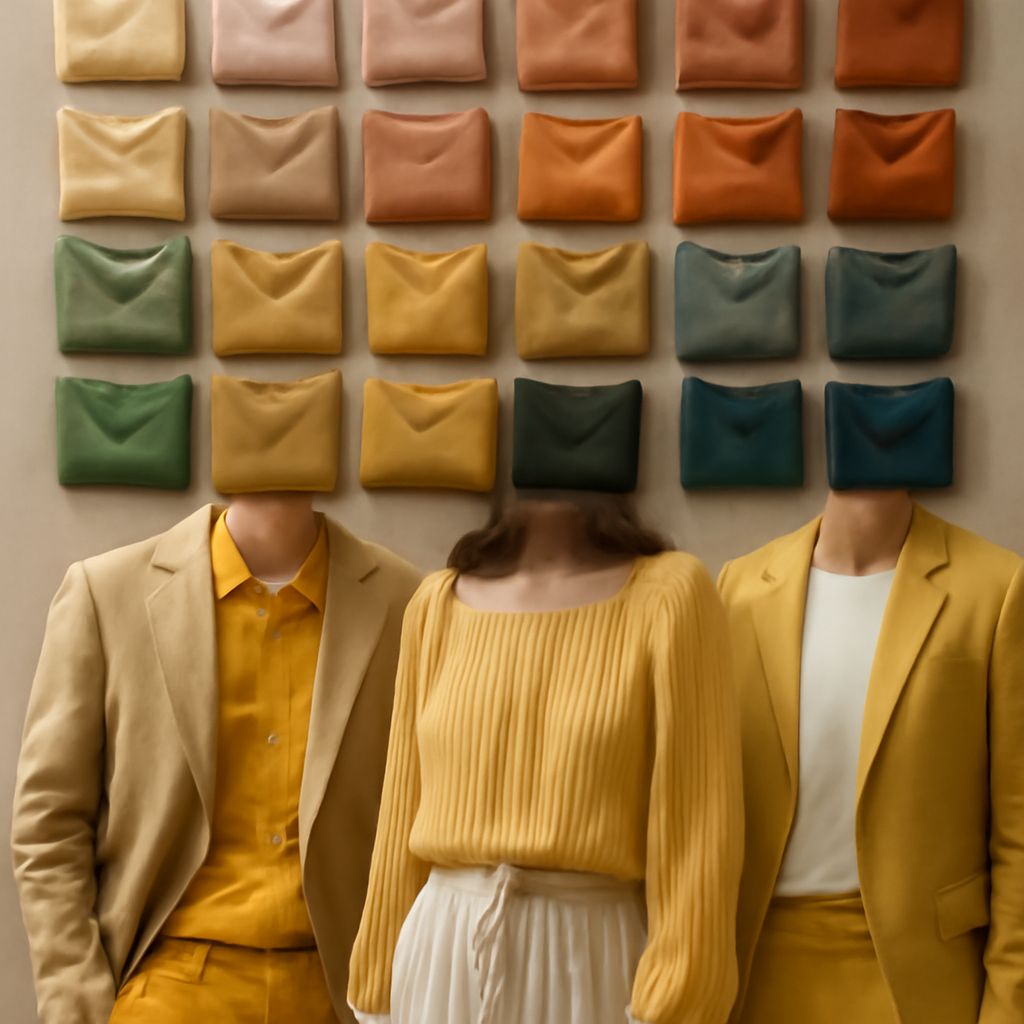
Choosing the right colors is essential for enhancing the natural beauty of pale skin. If you’ve ever wondered, “What colors look good on pale skin?” you’re not alone. Many individuals with lighter complexions struggle to find shades that complement their skin tone. The good news is that there are indeed good colors for pale skin that not only accentuate your features but also bring out the best in your overall style.
Understanding the best colors for pale skin can transform your wardrobe and makeup choices. This guide will help you explore which hues are most flattering and how to incorporate them into your daily look. Let’s delve into the world of color and discover the perfect palette tailored just for you.
Why Do Some Colors Look Better on Pale Skin?
Understanding Skin Undertones
The secret to finding colors that enhance your pale skin lies in understanding your skin’s undertones. Undertones are the subtle hues beneath the surface of your skin, generally categorized as warm, cool, or neutral. Identifying whether you have a cool pinkish undertone, a warm golden undertone, or a neutral blend will help in selecting the colors that are most flattering for you.
The Science Behind Color Matching Color matching is all about the interplay of hues. Colors that contrast or complement your natural skin tone can highlight your features and add vibrancy to your appearance. Scientific research into color theory suggests that the right shades can enhance one’s complexion, making pale skin appear more radiant and lively. This involves choosing colors that either align with your undertones or provide a striking contrast for a bold look.
What Colors Look Good on Pale Skin?
Top Colors to Wear
For those with pale skin, jewel tones such as emerald green, sapphire blue, and ruby red are particularly striking. These rich colors create a beautiful contrast, adding a touch of elegance and sophistication. Pastels like lavender and powder blue also complement pale skin, offering a softer look that’s perfect for both casual and formal settings.
Colors to Avoid
While experimenting with fashion, it’s also important to know which colors might not be as flattering. Typically, overly muted or washed-out colors can make pale skin appear dull. Shades like beige, khaki, and some grays might not do justice to your complexion, potentially leading to a lack of contrast and interest.
How to Choose the Best Colors for Pale Skin
Fashion Tips for Pale Skin
When it comes to fashion choices, layering can be your best friend. Incorporate the best colors for pale skin by using accessories to add pops of color. Scarves, jewelry, and shoes in vibrant shades can enhance your look. Additionally, mixing textures and materials in complementary hues can create depth and dimension, making your outfits more visually appealing.
Makeup Colors for Pale Skin
Makeup offers another avenue to explore the best colors for pale skin. Opt for blushes in rosy pinks and corals to give your cheeks a healthy flush. Lip colors in rich berries or classic reds can accentuate your lips beautifully. For eyes, earthy tones and soft metallics work well to highlight your features without overwhelming your delicate complexion.
What is the Best Color for Pale Skin in Different Seasons?
Spring and Summer Shades
As the seasons change, so too should your color palette. In spring and summer, embrace lighter hues that reflect the brightness of the seasons. Soft pinks, fresh mint greens, and sunny yellows can brighten your look and complement the lighter, airier fabrics typically worn during these months. These colors evoke a sense of freshness and vitality.
Fall and Winter Hues
During the cooler months, consider deeper, richer colors that provide warmth and contrast to the often dreary weather. Autumnal shades like burnt orange, deep burgundy, and forest green are excellent choices. In winter, classic navy and charcoal can offer a stylish yet comforting feel. These hues add a cozy charm that is both timeless and seasonally appropriate.
Safety Recap: When experimenting with colors, particularly in makeup, always perform a patch test to avoid skin irritation or allergic reactions. Consult a professional if you’re uncertain about undertones or color choices to ensure the best results for your pale skin.





Leave a Reply