
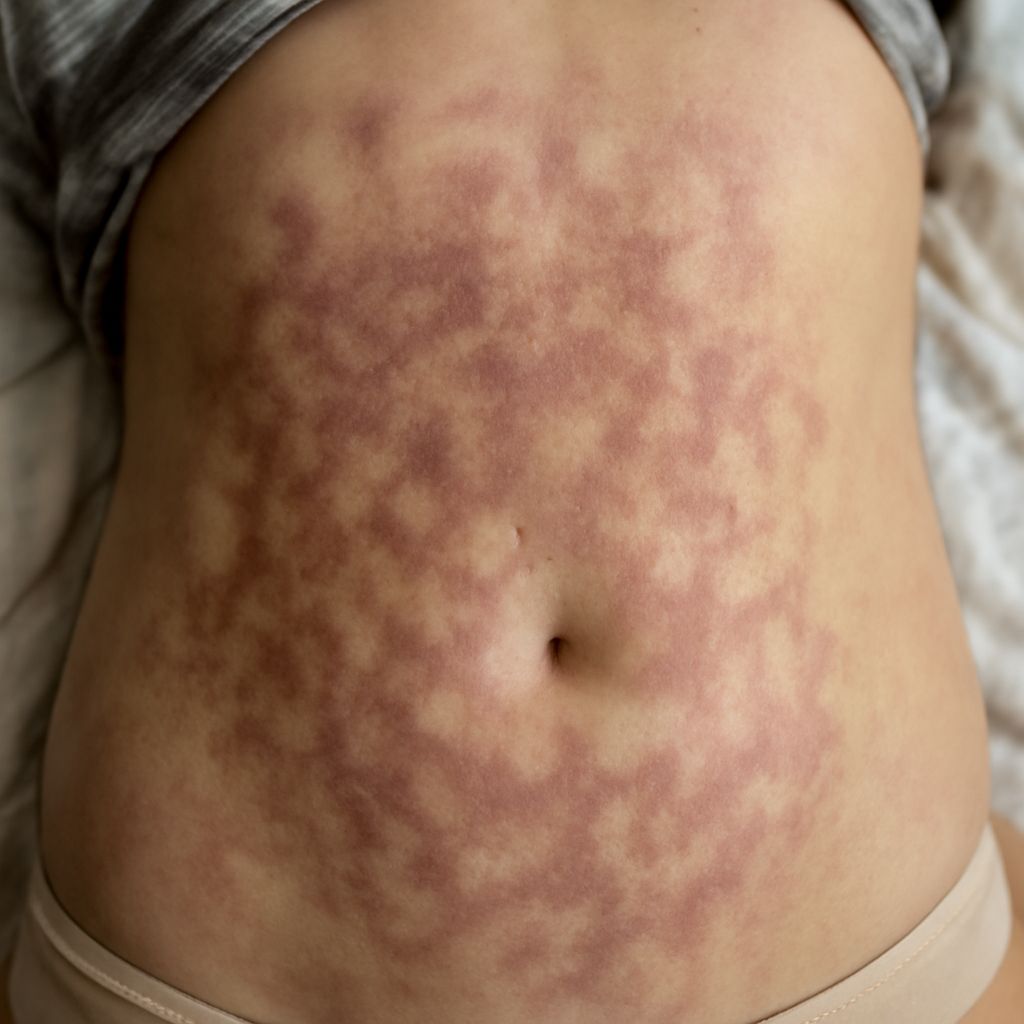
The appearance of mottled skin before death can be distressing for both the individual experiencing it and their loved ones. Recognizing the signs can provide valuable insight into the dying process, allowing for better preparation and care during this sensitive time. Mottled skin pictures often illustrate the changes in skin color that occur, providing crucial indicators of the body’s transition through the end-of-life stages. Understanding these signs can help caregivers and family members offer the necessary support and comfort.
In this article, we delve into the intricacies of mottled skin, exploring the reasons behind these skin color changes before death and how they serve as visual cues to the underlying biological processes at play. By examining mottled skin death indicators, we aim to equip you with the knowledge to better support those in the final stages of life.
What is Mottled Skin Before Death?
Definition and Causes
Mottled skin, often described as a patchy and discolored appearance, is a result of reduced blood flow and oxygenation near the skin’s surface. This typically happens as the body begins to shut down during the dying process. The skin may develop reddish, purple, or bluish patterns, signaling a decline in circulation as the heart becomes unable to pump blood effectively.
Common Occurrences
Such skin changes are most commonly observed in individuals who are nearing the end of life due to a terminal illness or age-related decline. It is a natural occurrence that indicates the body is entering the final stages of life, and while it is a common sign, not everyone will experience mottling before death.
How Do Skin Color Changes Before Death Occur?
Physical Symptoms
As the heart weakens and circulation diminishes, the extremities such as the hands, feet, and legs often exhibit the first signs of color change. These physical symptoms are a part of the body’s natural process of conserving energy and redirecting vital resources to support essential organs.
Underlying Medical Conditions
Conditions like heart failure, severe infections, and chronic diseases can exacerbate the mottling process. As these diseases progress, they can hasten the decline of the circulatory system, leading to more pronounced skin color changes.
Why Do People Experience Mottled Skin Death?
Understanding the Biological Processes
The biological processes behind mottled skin death involve the body’s diminishing ability to maintain normal physiological functions. Reduced blood flow results from the heart’s declining efficiency, and as this occurs, the skin reflects these internal changes through visible mottling.
End-of-Life Stages
As individuals enter the final stages of life, their bodies naturally prioritize vital organ function over peripheral systems like the skin. This physiological shift is a part of the body’s preparation for the end of life, and it often manifests as mottled skin. Recognizing these signs helps caregivers anticipate the needs of the person in their care.
Can Mottled Skin Pictures Help Identify the Signs?
Analyzing Visual Indicators
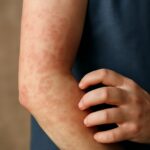
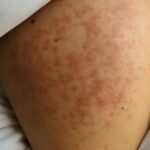
Mottled skin pictures provide a visual reference to better understand the changes taking place in the body. By comparing these images with what is observed in a patient, caregivers can gain a clearer assessment of the individual’s condition and progress through their end-of-life journey.
When to Consult a Healthcare Professional
While pictures can be helpful, they should not replace professional medical advice. If mottled skin or other changes are observed, consulting with a healthcare professional is crucial to ensure appropriate care and support. Medical professionals can provide guidance tailored to the individual’s unique needs.
What Do Mottling Skin Before Death Pictures Reveal?
Interpreting Changes
Observing mottling skin before death pictures can reveal the severity and progression of the skin changes. These images often show a gradient of color that can indicate varying levels of circulation and the body’s ongoing efforts to adjust to its declining state.
Comparative Analysis
By comparing different pictures of mottled skin, it becomes possible to assess the progression of mottling over time. This comparative analysis helps in understanding how quickly changes are occurring, which can be vital information for providing appropriate care and comfort.
How to Provide Comfort to Those with Mottled Skin
Care Strategies
Providing comfort to individuals experiencing mottled skin involves keeping them warm, as proper temperature regulation can ease discomfort. Gentle massages and repositioning can also help stimulate circulation and alleviate pressure on certain areas of the body. It is important to monitor any additional symptoms and adjust care strategies accordingly.
Emotional Support
Beyond physical care, offering emotional support is critical. Creating a calm and comforting environment, engaging in meaningful conversations, and simply being present can make a significant difference. Remember that each individual’s needs and preferences will vary, so personalizing the approach to care is essential.
Safety Note: When using methods such as massages or repositioning, be cautious of the individual’s sensitivity to touch or pressure due to their condition.
Next Steps: Understanding mottled skin before death is a key part of end-of-life care. As you navigate this journey, continue learning about these signs and consult healthcare professionals for guidance. Consistently provide compassionate care and support to enhance the quality of life for those experiencing these changes.
Leave a Reply