
Many people are on the lookout for simple and effective skincare solutions that don’t break the bank. Baking soda, a common household item, has gained popularity for its potential skin benefits. From exfoliation to acne management, the use of baking soda for skin care seems promising. Let’s explore the various benefits of baking soda, its uses, and how you can safely incorporate it into your skincare routine.
What Are the Benefits of Baking Soda for Skin?
Exfoliation and Dead Skin Removal
Baking soda is known for its gentle exfoliating properties. It can help remove dead skin cells, leaving your skin feeling smooth and rejuvenated. By mixing a small amount of baking soda with water, you can create a paste that acts as an effective exfoliant. However, be cautious not to scrub too hard to prevent irritation.
Balancing Skin’s pH Levels
The skin’s pH balance is crucial for maintaining its health and protective barrier. Baking soda can help neutralize the skin’s pH, potentially reducing oiliness and preventing acne breakouts. Nonetheless, it’s essential to use it sparingly, as excessive use might disrupt the skin’s natural pH balance.
Acne and Blemish Reduction
Due to its antibacterial and anti-inflammatory properties, baking soda may help in reducing acne and blemishes. Applying a baking soda paste to affected areas can dry out pimples and diminish their appearance over time. As with all treatments, it’s important to monitor your skin for any adverse reactions.
Brightening Effects
Baking soda can also contribute to a brighter complexion. Its mild abrasive nature can help in lightening dark spots and evening out skin tone. Regular, careful use may lead to noticeable improvements in skin brightness.
How Can Baking Soda Be Used for Skin Care?
Facial Scrubs
Creating a facial scrub with baking soda is simple. Combine a teaspoon of baking soda with water or a gentle cleanser. Apply it to your face in circular motions, then rinse thoroughly to reveal softer skin. Limit this method to once a week to avoid over-exfoliating.
Soothing Baths
Adding baking soda to your bath can soothe irritated skin and relieve itchiness. Dissolve about half a cup of baking soda in a warm bath and soak for 10-15 minutes. This can be particularly beneficial for those with conditions like eczema or psoriasis.
Spot Treatments
For targeted acne treatment, a concentrated baking soda paste can be applied directly to blemishes. Leave it on for a few minutes before rinsing off. This method may help reduce the size and redness of pimples.
Foot Care
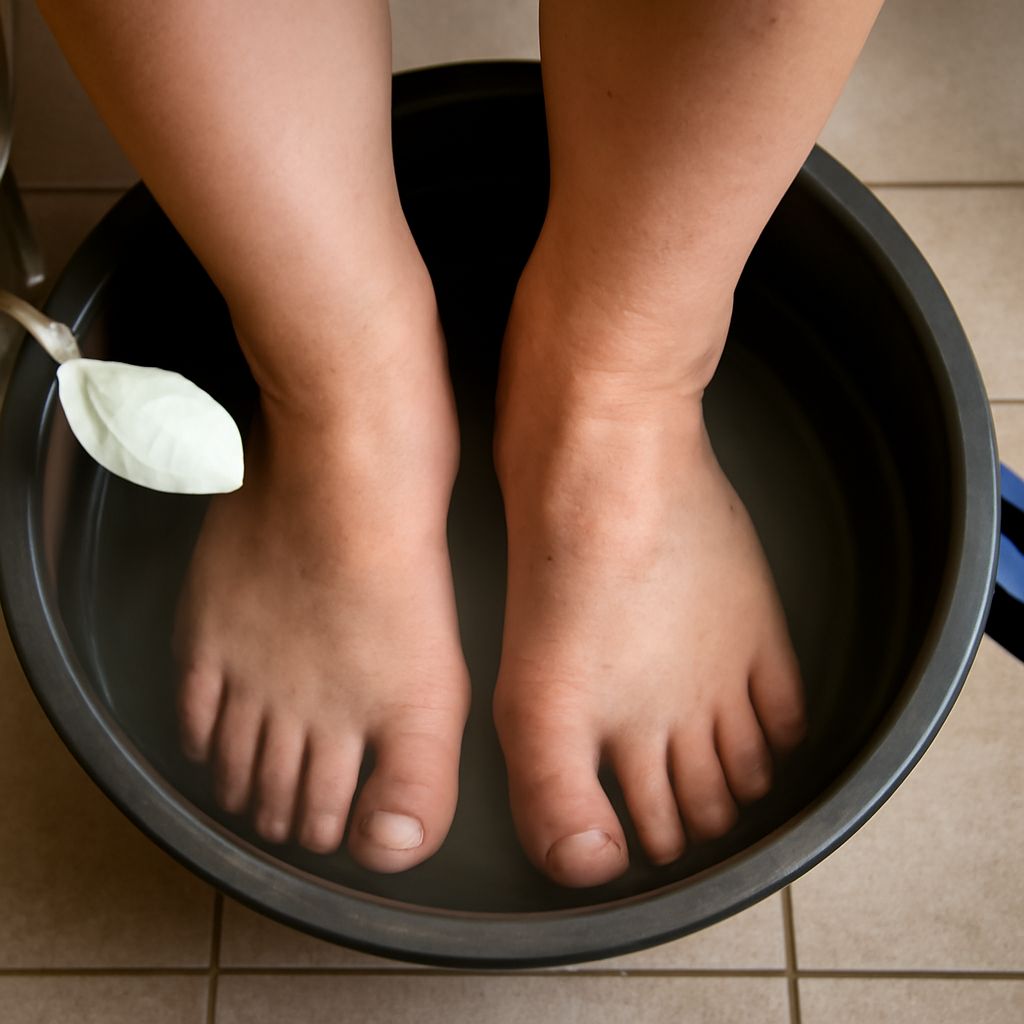
Baking soda can also be an excellent addition to your foot care routine. Soaking your feet in a mixture of warm water and baking soda may help soften calluses and eliminate odors. Follow up with a foot scrub for maximum benefits.
Is Baking Powder Effective for Skin Care?
Difference Between Baking Soda and Baking Powder
Although baking soda and baking powder are similar, they have different chemical compositions. Baking soda is pure sodium bicarbonate, while baking powder contains additional acidic ingredients. This makes baking soda more suitable for skincare purposes.
Uses in Skin Care
While baking powder is primarily used in baking, some people might use it in DIY skincare recipes. However, due to its added components, it is less effective than baking soda for skin treatments.
Potential Side Effects
Using baking powder on the skin may cause irritation due to its acidic ingredients. It’s advisable to stick with baking soda for topical applications to minimize the risk of adverse effects.
Can Baking Soda Cause Skin Irritation?
Signs of Irritation
Signs of skin irritation from baking soda include redness, itching, and a stinging sensation. If you experience any of these symptoms, discontinue use immediately and rinse with water.
How to Test Before Use
Perform a patch test before using baking soda on a larger skin area. Apply a small amount of the mixture on your inner forearm and wait 24 hours to see if any reaction occurs.
Safe Usage Tips
To use baking soda safely, always start with a small amount and gradually increase the frequency as tolerated. Avoid using it on broken or highly sensitive skin and follow up with a moisturizer to prevent dryness.
How to Incorporate Baking Soda into Your Routine
DIY Recipes
Creating your own skincare treatments with baking soda is cost-effective and easy. Combine it with ingredients like honey or aloe vera for added moisture and healing properties.
Recommended Frequency
Limit the use of baking soda to once or twice a week, as overuse can lead to skin dryness and irritation. Listen to your skin and adjust the frequency based on its response.
Combining with Other Ingredients
Baking soda can be combined with other natural ingredients, such as coconut oil or oatmeal, to enhance its benefits. These combinations can provide additional hydration and calming effects on the skin.
Frequently Asked Questions About Baking Soda for Skin
Can Baking Soda Cure Acne?
While baking soda can help reduce the appearance of acne, it is not a cure. It should be used as part of a comprehensive skincare routine.
Is Baking Soda Safe for Sensitive Skin?
Baking soda may cause irritation in sensitive skin types. Always perform a patch test before using it extensively and cease use if irritation occurs.
How Often Should I Use Baking Soda on My Skin?
Using baking soda once a week is generally safe for most skin types. Adjust the frequency based on how your skin reacts to prevent any adverse effects.
Key takeaways: Baking soda offers several benefits for the skin, including exfoliation and acne reduction. While it can be a valuable addition to your skincare routine, it’s essential to use it cautiously to avoid irritation. Always patch test before use and follow safe usage guidelines for best results.





Leave a Reply