
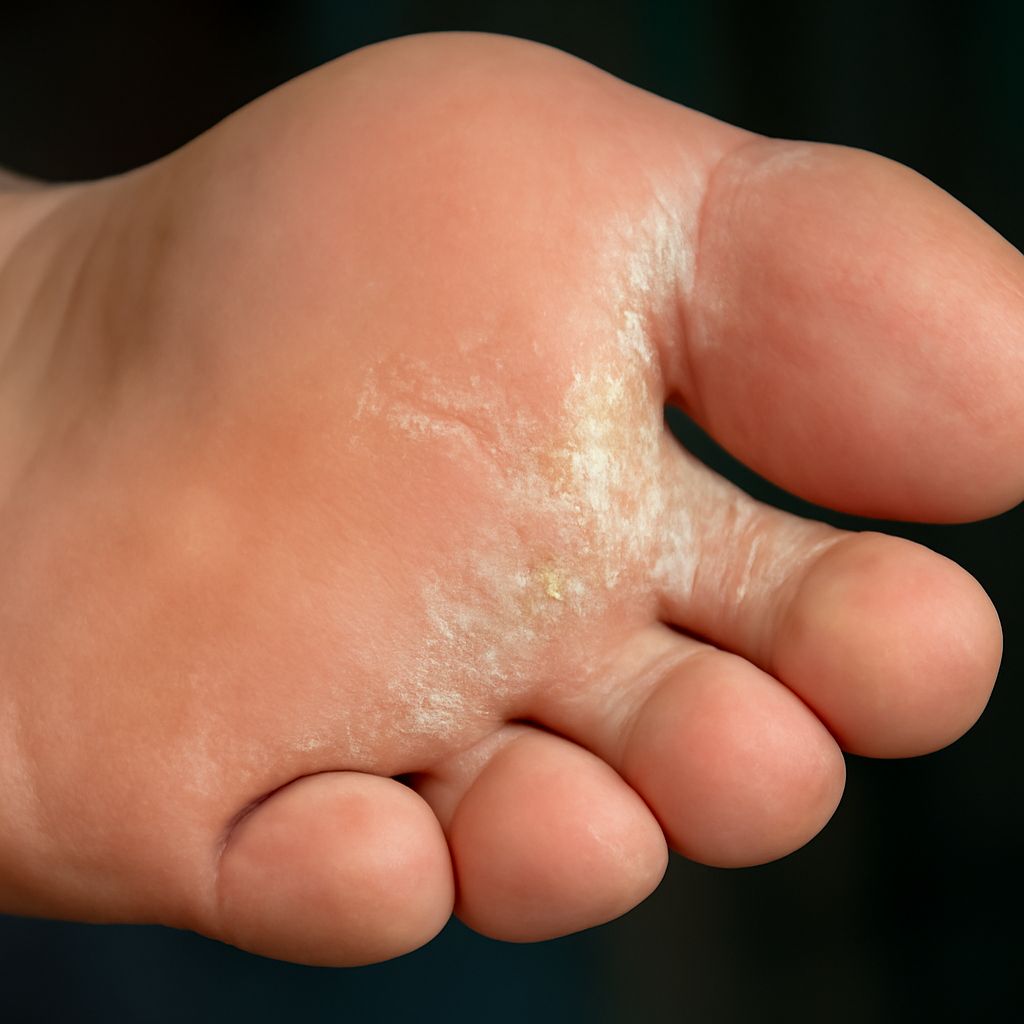
Experiencing small holes in the skin can be a distressing encounter. These tiny holes, often appearing suddenly or gradually over time, can be symptomatic of underlying skin conditions that require careful attention. Understanding the causes and identifying the diseases that cause such holes in the skin is crucial for effective treatment and prevention. Fortunately, with proper knowledge and care, many skin issues can be managed effectively, reducing discomfort and preventing further skin damage.
What Are Holes in Skin Disease?
Defining Holes in Skin
Holes in skin disease refer to small depressions or pitted areas on the skin surface. These can vary in size and depth, and sometimes they are accompanied by other skin changes such as redness, irritation, or inflammation. They may appear in different parts of the body and can be caused by a variety of factors, including infections or genetic conditions.
Common Symptoms and Indicators
Typically, the presence of holes in the skin is not the only symptom. Individuals may also experience itching, pain, or discomfort around the affected areas. In some cases, there might be discharge or crusting. It’s essential to pay attention to these indicators, as they can help in diagnosing the underlying condition causing the skin issues.
What Causes Small Holes in Skin?
Bacterial Infections
Some bacterial infections can lead to the formation of tiny holes in the skin. Conditions like acne and folliculitis, where hair follicles become inflamed, are common culprits. These infections can cause the skin to break down, leading to small holes or pits as the skin attempts to heal.
Fungal Infections
Fungal infections, such as ringworm, can also cause small holes in the skin. The fungi invade the skin layers, damaging the tissue and leading to the formation of small depressions. Such infections are often itchy and may spread if not treated promptly.
Parasitic Infestations
Parasitic infestations, including those caused by mites or certain larvae, can create visible holes in the skin. These parasites burrow into or near the skin’s surface, causing irritation and damage. Proper diagnosis is key to treating these conditions effectively.
Genetic Conditions
Some genetic conditions may inherently affect skin texture and integrity, leading to the development of small holes. Keratosis pilaris, for instance, is a genetic condition that can result in rough, bumpy skin with tiny pits. While these conditions are often harmless, they can affect an individual’s confidence and comfort.
How Are Tiny Holes in Skin Diagnosed?
Clinical Examination
A clinical examination by a dermatologist is often the first step in diagnosing the root cause of small holes in the skin. The doctor will assess the appearance, distribution, and associated symptoms of the skin lesions to narrow down potential causes.
Laboratory Tests
In some cases, laboratory tests such as skin swabs, biopsies, or blood tests may be conducted to confirm a diagnosis. These tests can help identify infectious agents or other abnormalities contributing to the skin condition.
What Treatments Are Available for Small Holes in Skin?
Topical Treatments
Topical treatments, including medicated creams or ointments, are often effective in treating small holes caused by infections or inflammatory skin conditions. These treatments can help reduce symptoms like itching and inflammation while promoting healing.
Oral Medications
For more severe cases, oral medications such as antibiotics, antifungals, or antiparasitics may be prescribed. These medications work systemically to target the underlying cause of the skin condition from within the body.
Home Remedies
Home remedies, such as maintaining good hygiene, using natural moisturizers, or applying soothing compresses, can support other treatments. However, it’s important to consult with a healthcare provider before trying new remedies to ensure they are safe and appropriate for your condition.
How Can You Prevent Holes in Skin Disease?
Hygiene Practices
Maintaining good hygiene is crucial in preventing skin infections that can lead to the formation of small holes. Regular bathing, cleansing of the skin, and keeping the skin dry can help minimize the risk of bacterial and fungal infections.
Avoiding Skin Trauma
Preventing trauma to the skin, such as excessive scratching or picking, can help avoid the development of holes. Protective clothing and using gentle skincare products can also aid in maintaining skin integrity.
Regular Dermatological Check-ups
Regular visits to a dermatologist can help detect early signs of skin issues and prevent complications. Early intervention can be key in managing conditions that might otherwise lead to the formation of tiny holes in the skin.
When Should You See a Doctor for Holes in Skin?
Warning Signs to Watch For
If you notice persistent holes, changes in the skin, or symptoms such as severe pain, swelling, or discharge, it’s important to consult a healthcare professional. Timely medical intervention can help address underlying conditions effectively and prevent further damage to your skin.
Safety Recap: If you’re using skin care tools to manage conditions involving holes in the skin, handle them with care to avoid injury. Always follow hygiene practices and consult a professional for persistent or severe skin issues.





Leave a Reply